
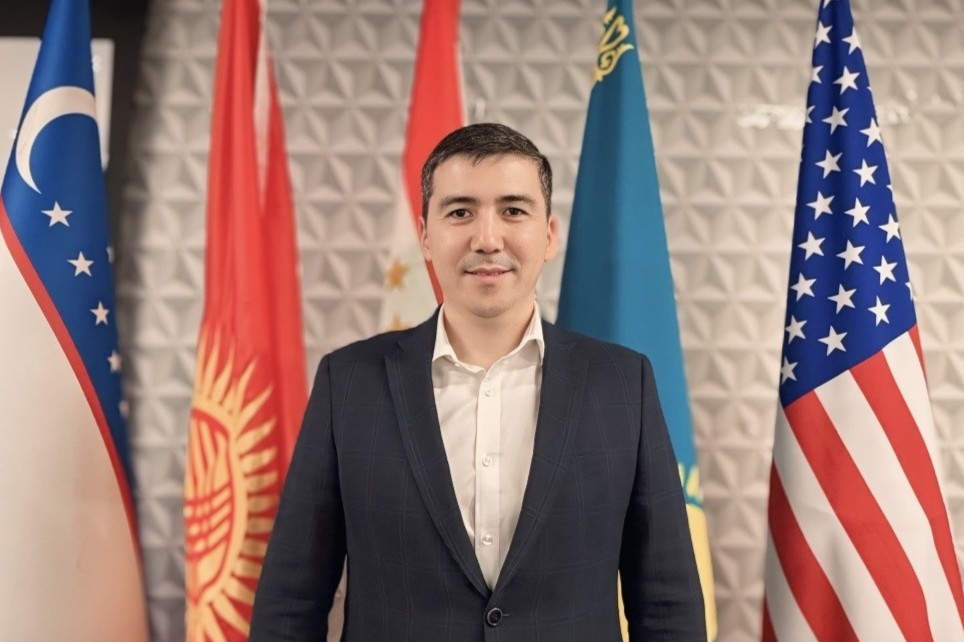
Before coming to Temple Law, I had already built a legal career in Kazakhstan. After earning my LL.B. and a master’s degree in international law from Al-Farabi Kazakh National University, I spent more than 20 years practicing immigration, corporate, business, and international law. I managed my own legal practice, represented clients before courts and government agencies, and advised individuals and businesses on a wide range of legal matters.
When I moved to the United States, I initially told myself that I would not return to legal practice. I decided to pursue business instead and opened a trucking company. However, over time, I realized that I could not completely separate myself from the legal profession. I missed legal practice, legal thinking, and the work of helping clients solve serious problems. That realization pushed me to return to law and pursue an LL.M. degree in the United States.
My decision to attend Temple was both practical and personal. At that time, I was living in Cherry Hill, New Jersey, close to Philadelphia, so Temple was geographically convenient for me. Also, Temple is a public university with a strong reputation, and that was meaningful to me because I had graduated from the leading public university in Kazakhstan. In that sense, Temple felt like a natural continuation of my academic path in the United States.
There was also a memorable personal moment behind my decision. I did not call or email anyone in advance. I simply walked into Temple and asked about the law school. A security guard kindly guided me to Assistant Dean John Smagula, and that meeting became an important turning point for me. At the time, I was managing my trucking company, but after speaking with Dean Smagula and learning more about Beasley School of Law, I became motivated to return to legal studies. Eventually, I decided to leave that business and fully commit myself to studying law again.
The transition was not easy. Coming from a civil law background, I had to adapt to the U.S. common law system, where legal reasoning, case precedent, and analytical writing play a central role. Studying in a second language added another challenge. In the beginning, I often felt as though I was reading and listening without fully understanding the most important concepts. To overcome those obstacles, I spent countless hours reading, translating materials, taking detailed notes, reviewing lectures, and seeking guidance from professors, teaching assistants, and classmates.
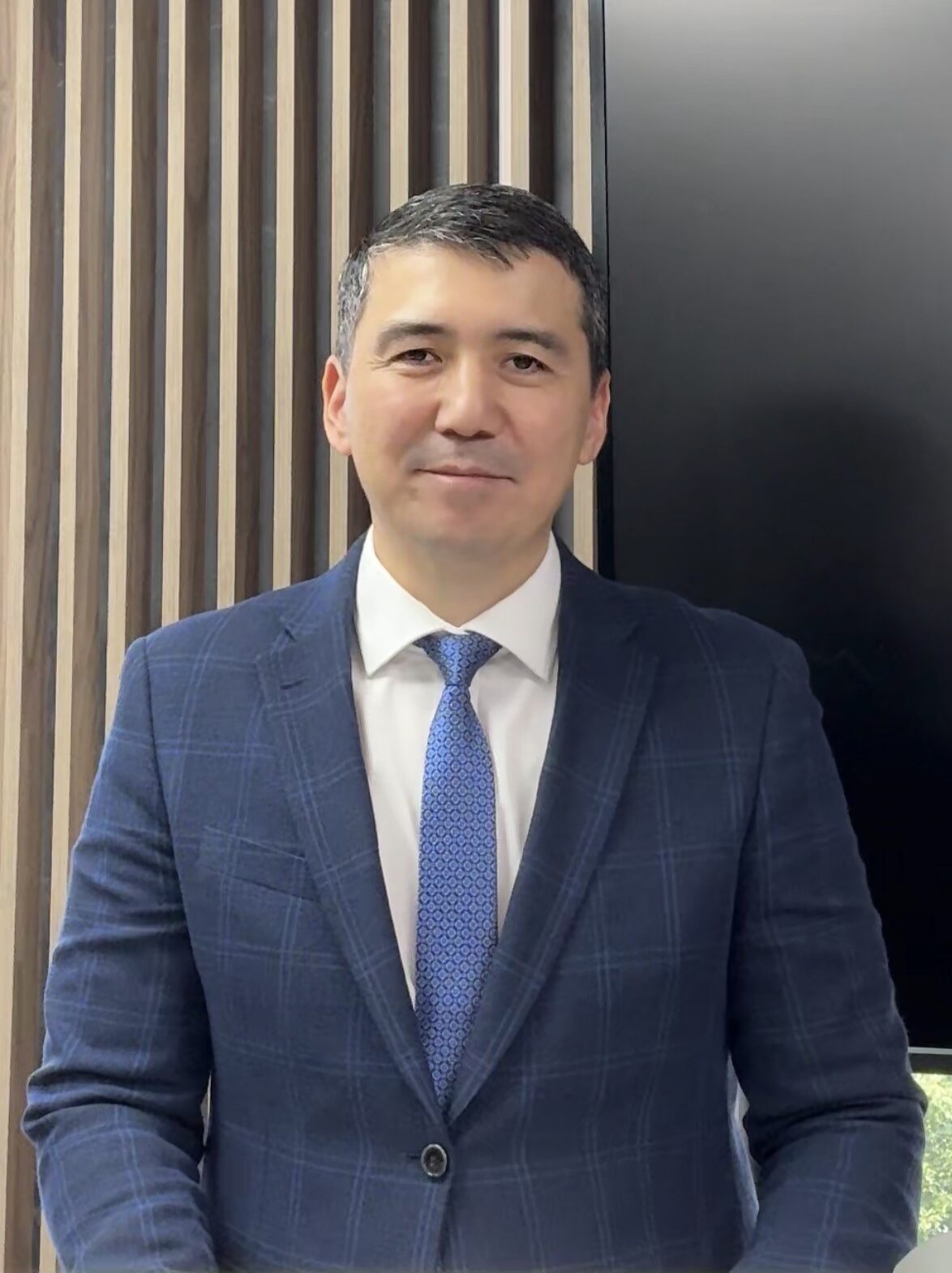 Throughout my time at Temple Law, several people had a lasting impact on my journey. Professor Tolay and Dean Smagula consistently encouraged me and believed in my ability to succeed, even when I doubted myself. At one point, passing the New York bar exam seemed almost impossible, but their confidence in me helped me continue moving forward. Professor Tolay’s Legal Research and Writing course was particularly influential because it taught me how to structure legal analysis in the American style, a skill that later became invaluable during bar exam preparation.
The most important lesson I gained from my LL.M. experience was that persistence and discipline can overcome fear and self-doubt. The program strengthened my legal writing and analytical skills while teaching me patience, resilience, and confidence. It showed me that difficult goals become achievable when approached with consistent effort.
Preparing for the bar exam was one of the greatest challenges I have ever faced. As a non-native English speaker, I had to learn not only legal rules and new subjects but also how to write quickly, organize answers effectively, and manage time under pressure. During that process, I often reminded myself why I had returned to law in the first place. I also remembered the encouragement I received from those who believed in me when I struggled to believe in myself.
Today, I work as a Case Manager at Merit Law LLP, where I support immigration matters and assist with case preparation. After being admitted to the bar, I also became a co-founder and Vice President of the Central Asian American Bar Association (CAABA), an organization dedicated to supporting legal professionals, students, and aspiring lawyers of Central Asian origin in the United States. In the future, my goal is to open my own law office, just as I did in Kazakhstan.
Looking back, Temple Law played a significant role in both my professional and personal growth. It helped me transition from a foreign-trained attorney to someone who can navigate the U.S. legal system with confidence. More importantly, it taught me that perseverance, hard work, and belief in yourself can make even the most challenging goals possible.
My advice to current and prospective LL.M. students is this: Study seriously from the beginning, meet new people, listen to your professors, and ask questions when you do not understand something. For foreign-trained lawyers, the process may feel overwhelming at first, but consistency matters more than fear. Use every opportunity at law school, build relationships with professors and classmates, and believe that the goal is possible even when it feels very difficult. If you remain committed to your goals, you can accomplish far more than you ever imagined.
