All posts tagged: Immigration Law

Returning to a Legal Career through Temple’s LL.M.

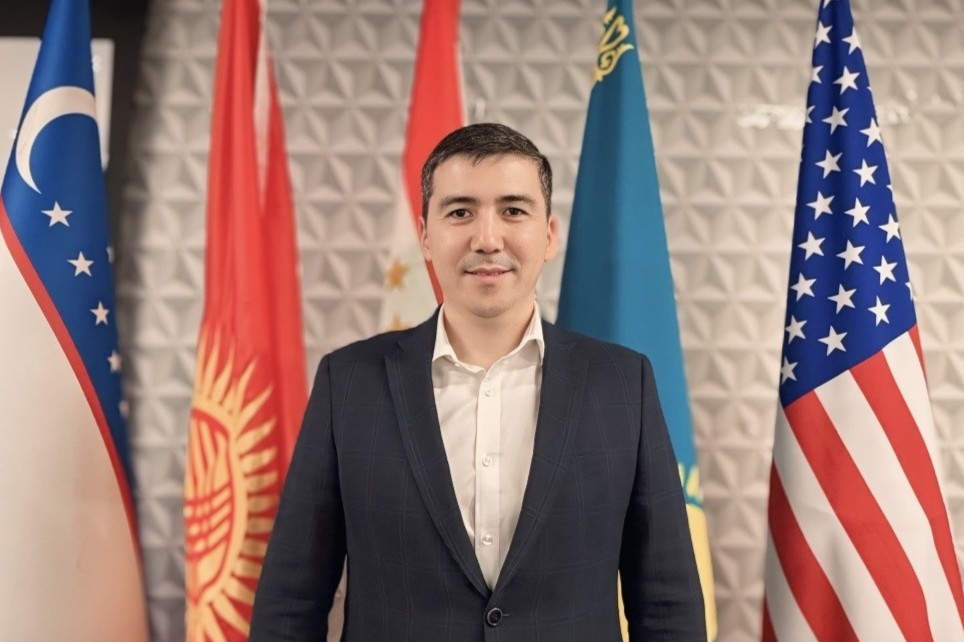
Before coming to Temple Law, I had already built a legal career in Kazakhstan. After earning my LL.B. and a master’s degree in international law from Al-Farabi Kazakh National University, I spent more than 20 years practicing immigration, corporate, business, and international law. I managed my own legal practice, represented clients before courts and government agencies, and advised individuals and businesses on a wide range of legal matters. When I moved to the United States, I initially told myself that I would not return to legal practice. I decided to pursue business instead and opened a trucking company. However, over time, I realized that I could not completely separate myself from the legal profession. I missed legal practice, legal thinking, and the work of helping clients solve serious problems. That realization pushed me to return to law and pursue an LL.M. degree in the United States. My decision to attend Temple was both practical and personal. At that time, I was living in Cherry Hill, New Jersey, close to Philadelphia, so Temple was geographically convenient …
LLM for Foreign-Trained Lawyers: Opening Doors to the U.S. Legal System

  Every day, I have the privilege of standing beside immigrant families during some of the most uncertain moments of their lives. As the founder and Director of Immigration at Migrance Initiative Inc., a nonprofit in Philadelphia, that work is my purpose. And whenever I trace it back to where it started, I arrive at the same place: Temple University Beasley School of Law. As a foreign-trained lawyer, I came to Temple to build my career on American soil, and its LLM for Foreign-Trained Lawyers gave me exactly the foundation I needed. The program is designed  for internationally educated attorneys like me, and it opened the door to the U.S. legal system in a way that was both rigorous and welcoming. Earning my LLM in American and International Law was a turning point, and looking back now, I understand just how deeply that year shaped my career and the practitioner I have become. What stayed with me most was the depth of the education. I arrived wanting to understand the American legal system and international …

The Work Behind the Scholarship: Reflections on Interdisciplinary Collaboration

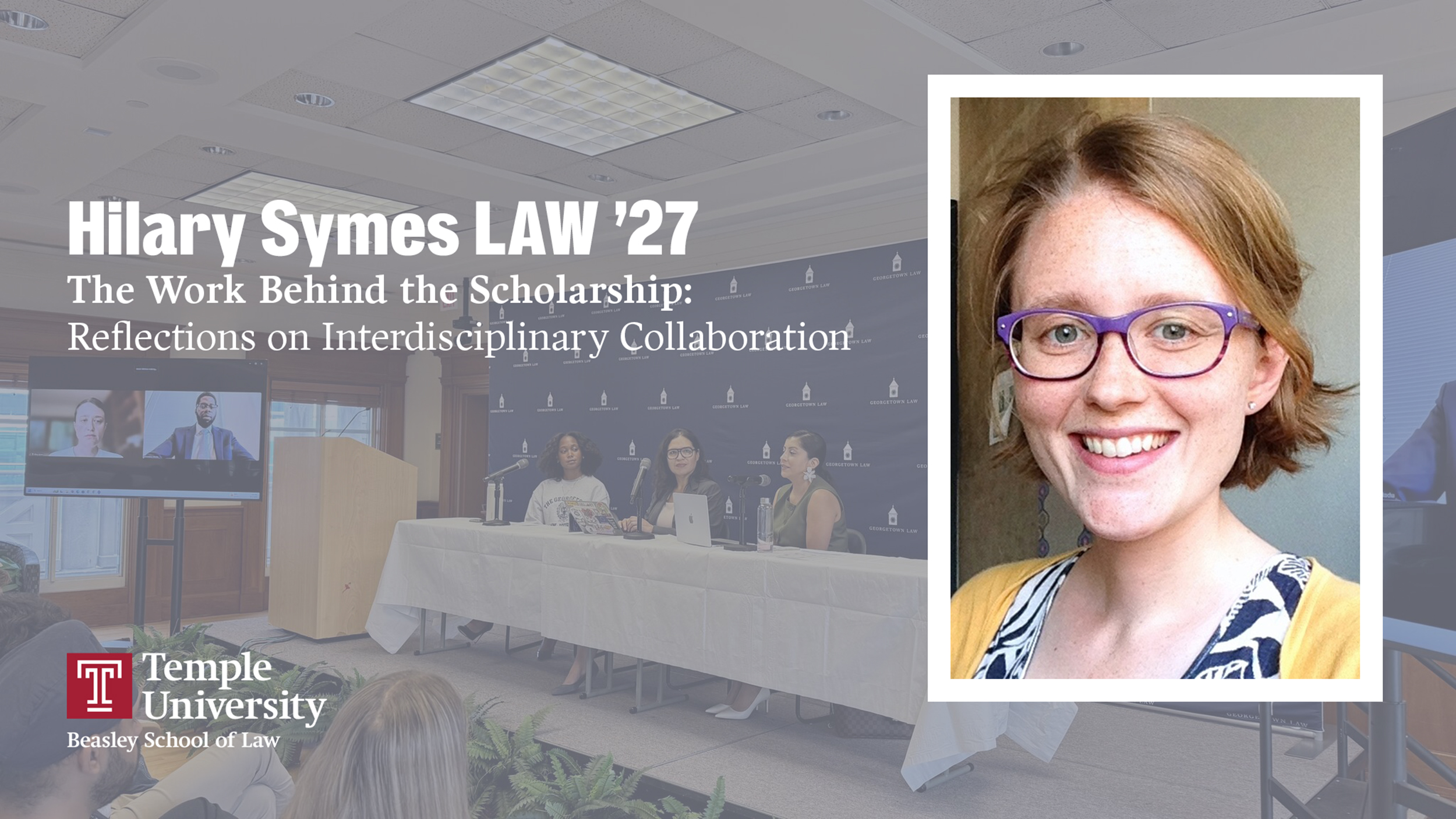
On August 21, The Georgetown Law Journal invited Professor Evelyn Rangel-Medina and me to speak with its incoming editorial staff about the process of developing legal scholarship. Our Article, Blood, Soil, and Race: The Perils of Shredding the Fourteenth Amendment, was published in The Georgetown Law Journal Online only days after the panel. Following more than a year of researching, writing, and revising together, the conversation gave me a chance to reflect on how the Article had evolved—and on how my own approach to legal scholarship had changed with it. Before law school, I earned a Ph.D. in anthropology at Temple, where my research focused on tourism, visual culture, and environmental change in the Marquesas Islands, French Polynesia. Anthropology trained me to pay attention to the categories institutions create, the assumptions behind them, and their consequences for the people subject to them. When I came to law school, I began encountering many of the same questions in a different register: through doctrine, legal institutions, and the categories law itself constructs. In Professor Rangel-Medina’s Latinxs and the Law seminar, those interests led …

Sheller Center Students File Tort Claims for Families Separated at the Border

The Trump administration has engaged in a policy of family separation, which it ramped up in 2018. Under that policy, families apprehended for crossing the border outside of a port of entry were forcibly separated. Parents were placed in adult detention while their children were sent to shelters for unaccompanied minors. They were frequently subjected to cruel conditions of confinement, including overcrowding and the inability to obtain adequate nutrition, hygiene, medical care or mental health services. Notably, the administration expressly announced its family separation policy as a tactic to deter Central American migrants from seeking safety in the United States. In these facilities, parents and children endured weeks or even months without contact with one another. Parents and their children did not know when or if they would be reunited because immigration officials would not provide any information. The separation of parents from their children has predictably caused significant and long-lasting trauma to these families who had sought refuge in the United States. Through the Sheller Center for Social Justice, we represented eight families in …