All posts tagged: Administrative Law

Market Failures: Pricing Carbon with Wishful Thinking

Consider two numbers assigned to the same ton of carbon dioxide, each claiming scientific validity. The first: a figure between $1 and $7, representing the first Trump administration’s calculation of the societal damage caused by each ton of CO₂. The second: $190, representing the Biden administration’s calculation for that identical quantity of carbon. This metric, the social cost of carbon (SCC), is a single number meant to represent the total harm—from crop losses to health problems to sea-level rise—caused by emitting one ton of carbon dioxide. It has become a central battleground in U.S. climate policy. The usual explanation for this whiplash is political: one side follows science while the other ignores it. But that story misses a more fundamental problem. The first Trump administration didn’t need to deny climate science to gut the SCC—it simply exploited the metric’s built-in manipulability, using established government guidance to select assumptions that minimized the result. By changing just two parameters—the discount rate and geographic scope—the administration reduced the figure from $51 to between $1 and $7 per ton, …

Map, Glasses, Notebook

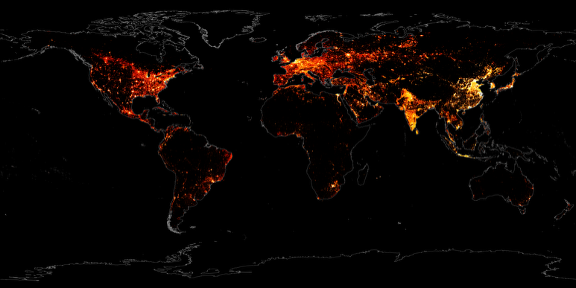
Mapping a Hidden World of International Regulatory Cooperation

Almost exactly one decade ago, Law and Contemporary Problems published a highly influential symposium entitled The Emergence of Global Administrative Law. The articles in that issue described rapidly changing patterns of transnational regulation, identified an emerging “global administrative space,” and explored normative questions raised by shifts in authority to transnational administrative processes. At roughly the same time, network scholars described a “new world order,” in which transnational governance networks increasingly conducted regulatory functions across a wide variety of issue areas. Both literatures introduced new conceptualizations of trends in international cooperation and standard-setting. This symposium’s focus on “international regulatory cooperation” revisits themes explored in the global administrative law and networks literatures. Broadly conceived, international regulatory cooperation consists of arrangements to promote cooperation in the design, monitoring, and enforcement or ex post management of regulation, with a view to supporting the consistency of rules across national borders. The topic has returned to the center of the diplomatic and scholarly agenda, in part as a result of the regulatory failures that contributed to the global recession. Indeed, as …