
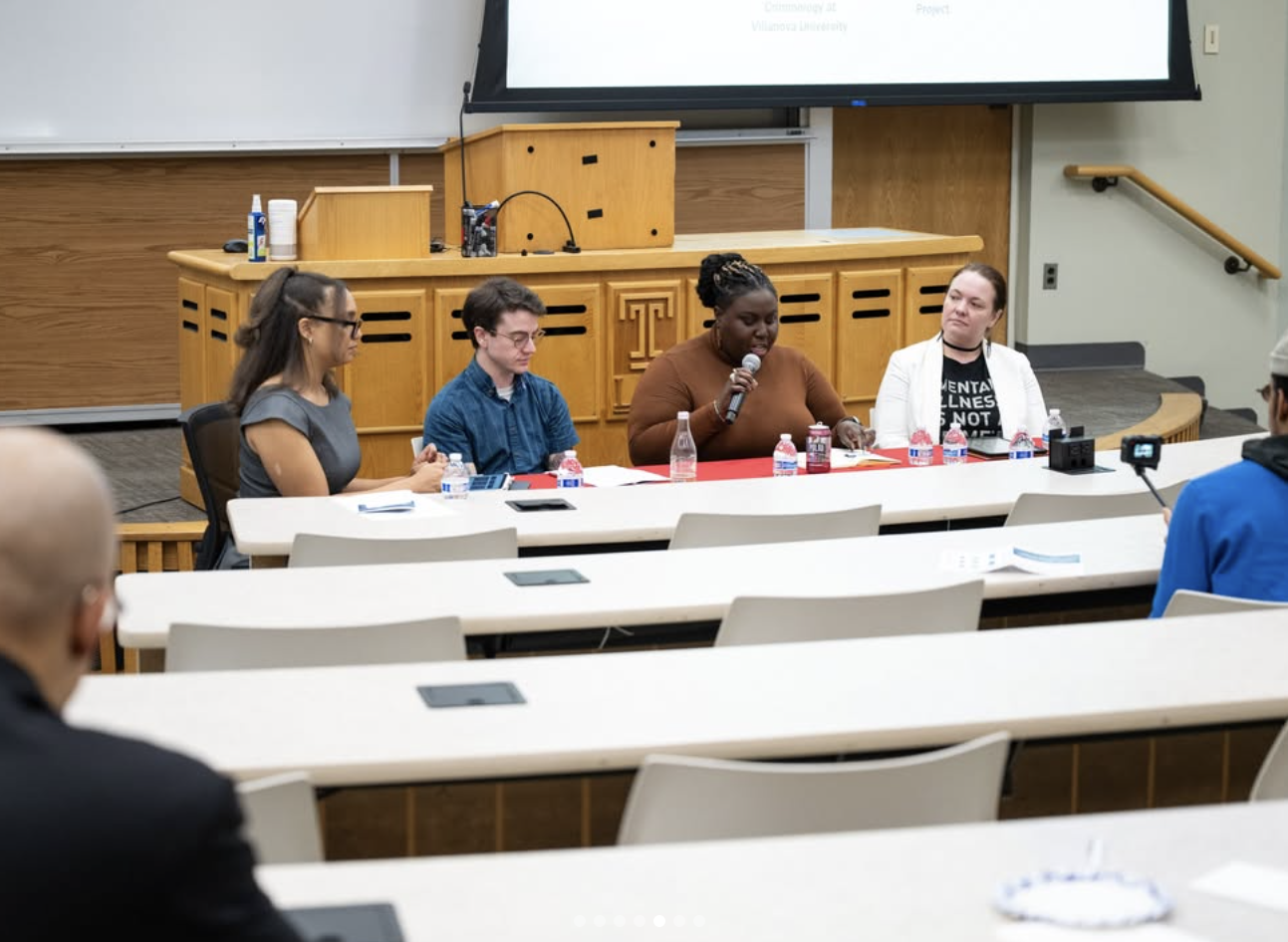
After my first semester of law school, I accepted a hard truth: many of my classmates would be better lawyers than me. They were intelligent, exceptional students. But that was not what led me to this conclusion. I realized early on that I was hoping to gain something different from my legal education than those around me. Lucky for them, they were in the right place for what they were looking for. But was I?
As we read cases and worked through doctrines, I felt the ever-growing disconnect expand. In cold calls and class discussions, their answers tracked the law as it was, while mine kept drifting toward what it wasn’t, what it lacked, or what it could be. They were much closer to what professors were hoping to hear in response to their questions. I was somewhere else entirely.
In my second semester, public law courses started to shift something. The same analytical skills were required, but for the first time, there was space for the way I thought. As I engaged with the political theories underlying criminal law and the interpretive methods used to read the Constitution, I realized what I had been searching for.
I didn’t just want to argue the law. I wanted to reimagine it.
Advocacy, as it is taught, asks you to take a client’s facts and fit them within existing law. I respect that work; I know it is essential. But I also knew it wasn’t what I was called to do. When I looked at the law, I didn’t see myself or my values reflected in it. I couldn’t imagine dedicating my career to seeking favor from a system I fundamentally questioned. I was haunted by the idea that justice has to be validated by a system that I believe lacks it.
By the end of the year, I thought I had made a mistake. I had committed to a career where success meant mastering the same doctrine I couldn’t stop interrogating. Law school began to feel like learning rules without asking who they serve. But despite all this, I had moved to a new city, taken on the loans, and started down this path. I told myself I had to push forward and become the best “okay” lawyer I could be.
Then I found the Law & Public Policy Program.
At first, I avoided it. After spending time in Washington, D.C. during and after undergrad, I had no interest in returning. Moving to Philadelphia felt like finally stepping away from the cookie-cutter policy pipeline I was trying to leave behind. When I thought of practicing in D.C., I pictured my worst nightmare: becoming an analyst at the old lobbying firm I used to work at. So, when I heard about LPP’s “Summer in D.C.,” I completely dismissed it.
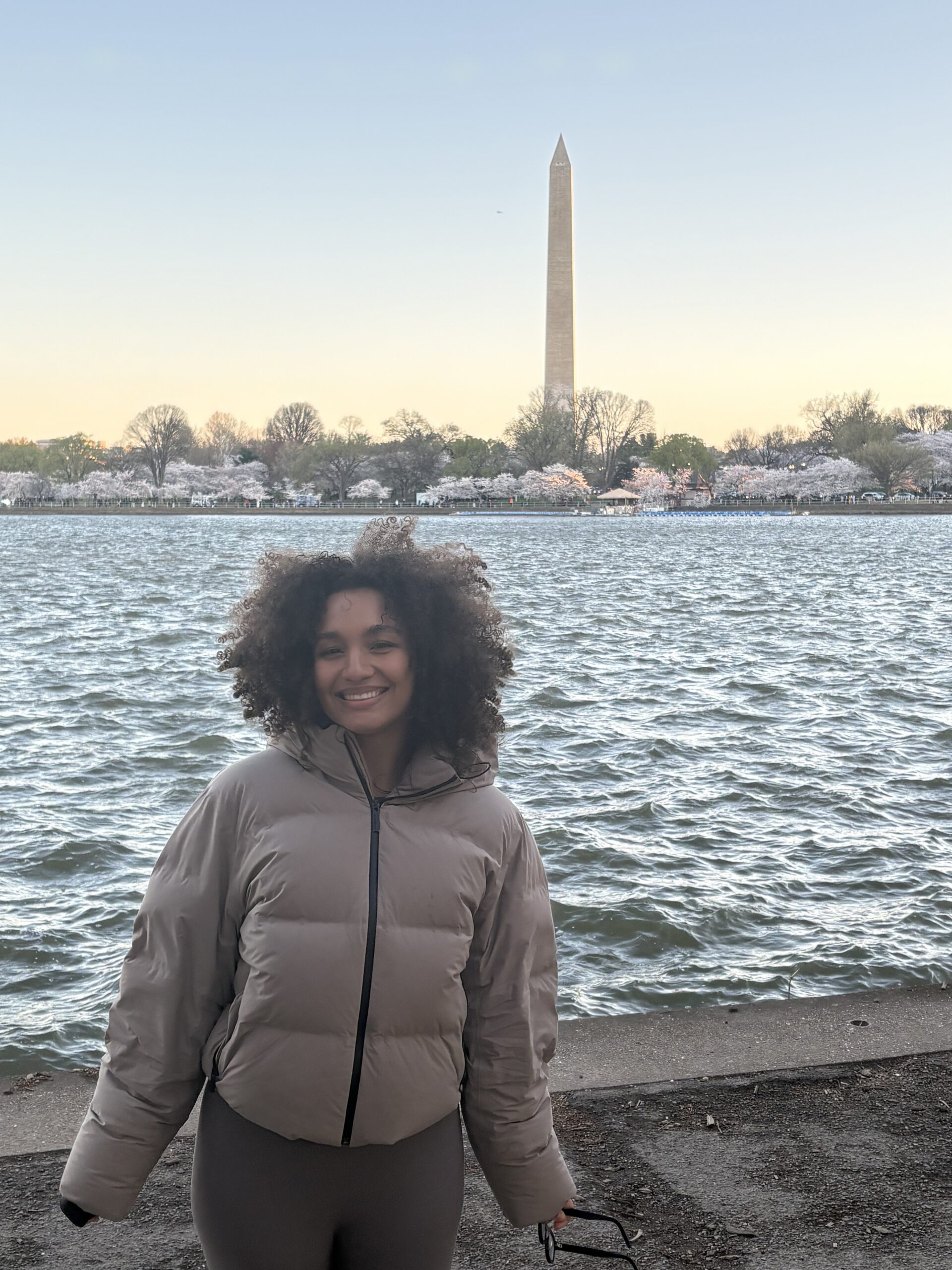 Until one afternoon in the library.
I overheard a classmate talking about an internship he had secured through the program. Without thinking, I joined the conversation with a million questions—how he found it, what the application looked like, when he applied. He told me the opportunity came directly from LPP.
Minutes later, I was on the program website. The deadline had passed. I had promised myself I wouldn’t return to D.C. for anything.
And yet, I applied.
Being accepted into LPP felt like finding solid ground after months of uncertainty. In my first meeting with Professor Noelia Rivera-Calderón, they asked what legal or policy issues I cared about. I hesitated. Every issue I considered seemed connected to another within a web of systemic wrongs. Eventually, I named constitutional law, voting rights, and judicial reform. It didn’t feel complete, but it was a start.
Before we ended, they said something that has stayed with me:
“It sounds like your interest might be in democracy broadly—or maybe even broader than that… like systems. Am I picking up on that correctly?”
I paused.
“Yes. That’s exactly it.”
At the time, it felt almost too broad, like saying my legal interest was simply “law.” But what felt like a lack of direction was actually the most clarity I had received thus far. For the first time, the law felt like something I could shape, not just study.
That summer, I worked as Professor Rivera-Calderón’s research assistant. For the first time, I saw legal work differently. As we created a report for a community-based policy change campaign, a familiar thought returned but this time, transformed:
If this is lawyering, then I can be a great lawyer.
Our LPP coursework deepened that truth. We studied law not just as a set of rules, but as both a product of policy and a tool that shapes it. We examined the systems that create and sustain legal outcomes. I was able to stop asking what the law is and start asking what it should be.
Despite prior feelings of inadequacy or inability to tap into legal skills, I was now finding confidence in political analysis, legal theory, and structural thinking. I entered law school believing I wanted to learn the law. Through LPP, I realized my real calling was to question its limits.
LPP didn’t just change how I understood the law. It changed how I understood my role within it. It showed me that lawyering is not one path. Research, policy work, writing, and publishing are not alternatives; they are central to shaping the law itself. For the first time, I saw myself in this field.
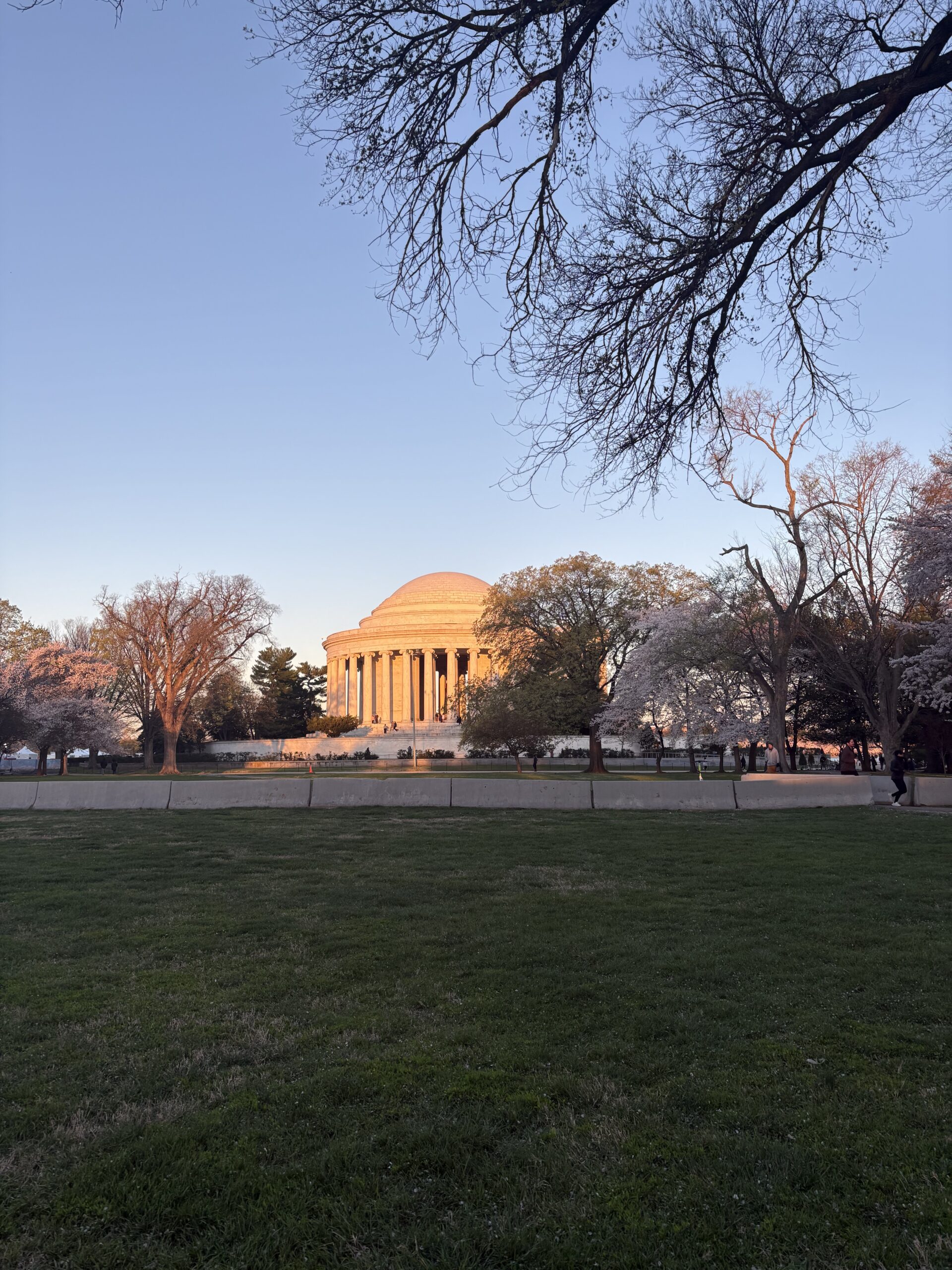 That shift continues to shape my future. This summer, I will be interning with the National Women’s Law Center on their Democracy and Judicial Nominations team. Next semester, I will study abroad in the Netherlands, exploring what it means for a country to “reconstitute” itself. I plan to pursue postgraduate opportunities that allow me to deepen my research and continue developing the questions that I first thought of in those classes during my LPP summer.
LPP has shown me that my legal education is not confined to a courtroom. It is something I can carry across borders, something I can use to rethink systems of governance from the ground up. My legal imagination is not naïve or proof that I am missing the mark; it means I am identifying a new one.
In some ways, my first instinct was right. Within the law as it exists today, I may not be the best lawyer. But in the future that I am working toward—the one that makes space to question, to rebuild, and to imagine—the law itself can be better.
And in that future, the law is not something I fit into. It is something I have helped shape.
