All posts filed under: Student Commentary

Puerto Rico’s First Solar Microgrid: A Beacon for Energy Independence and Decolonization

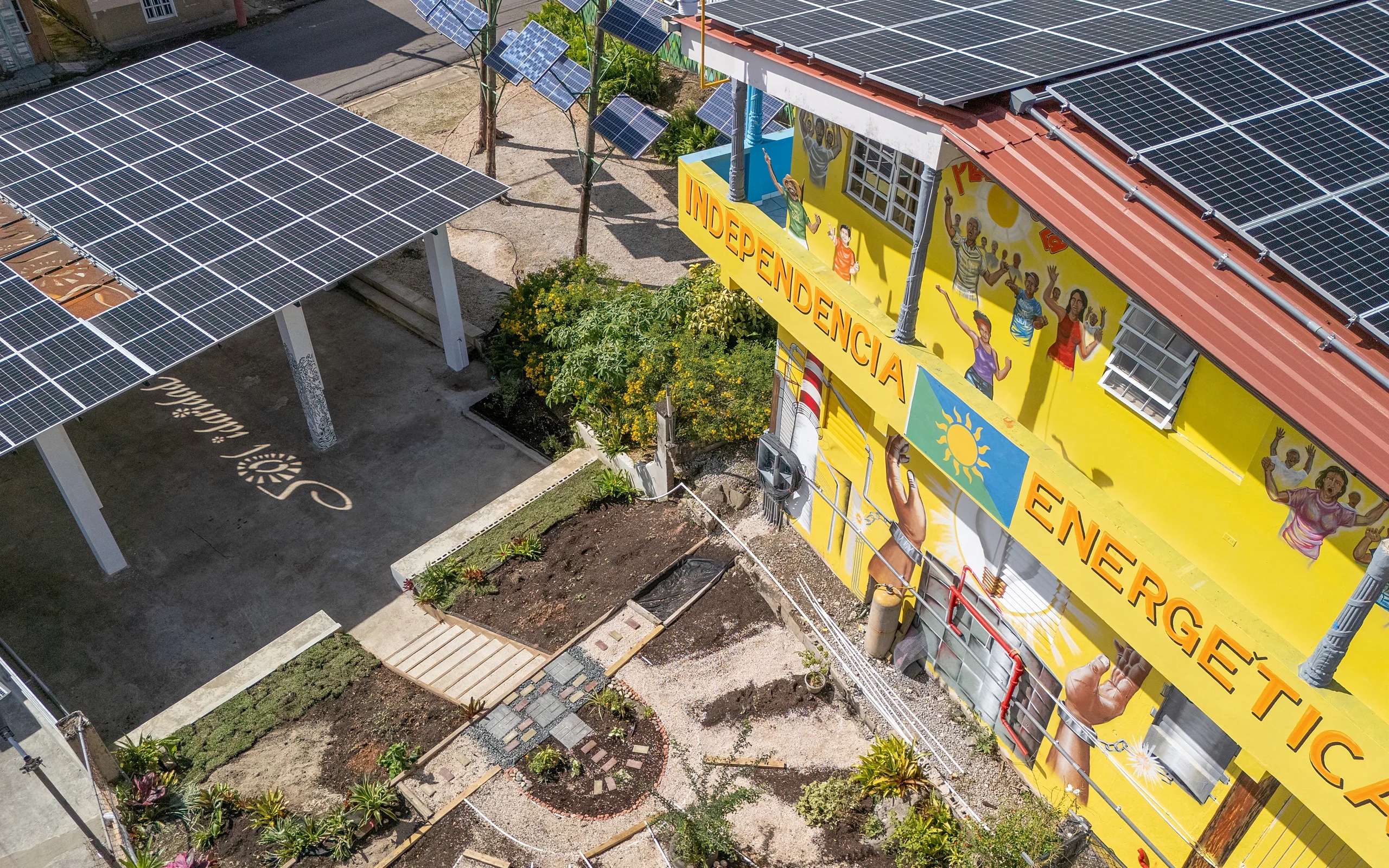
As I write this, sitting in my childhood living room in Dorado, Puerto Rico, I’ve already lost power twice. In Puerto Rico, a daily power outage or two is the norm. Our island’s energy system is infected with a culture and expectation of impropriety. Puerto Rico’s energy infrastructure is constantly damaged by natural disasters, and the island’s ability to recover, rebuild, and improve is perpetually hampered by colonial policies. Despite our island’s abundant renewable energy sources, we have been forced to rely on fossil fuels.  But communities in Puerto Rico are taking climate action into their own hands. Casa Pueblo is Puerto Rico’s first community-operated solar microgrid. It’s leveraging Puerto Rico’s solar capacity to ensure the surrounding town has a reliable source of electricity, especially during crises. Casa Pueblo is not just a symbol of, or model for, Puerto Rican energy revolution, it embodies a larger movement of decolonizing energy and decolonizing Puerto Rico. Solar energy and community activism are Puerto Rico’s greatest resources, but the island can’t succeed on its own. In the face …

Temple Law Reaches Finals at Inaugural Villanova Law Hockey Negotiation Competition

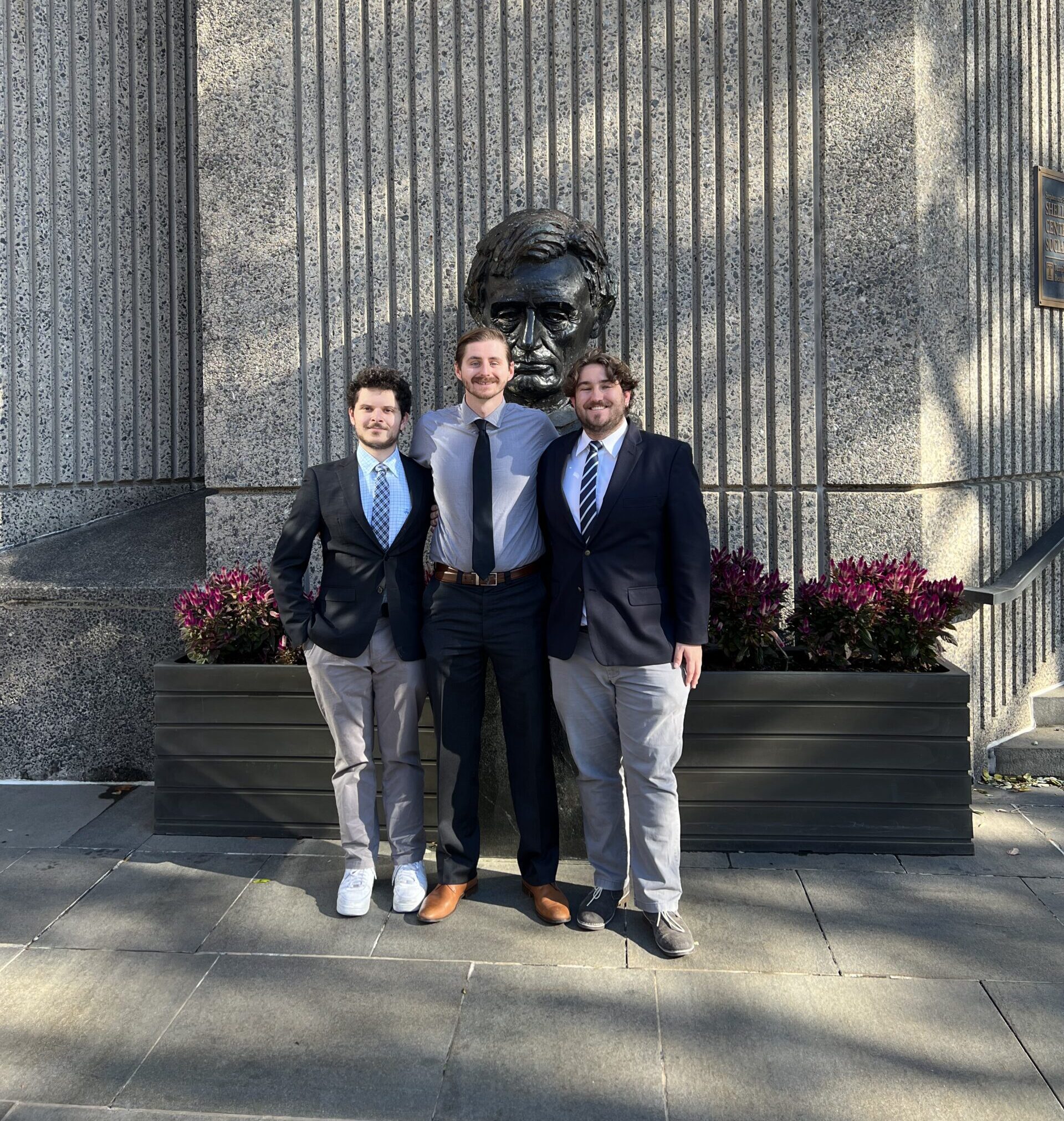
Temple Law students Max Rauchut (3L), Jake Rosenn (2L), and Mark Faverzani (1L) exceeded expectations this November when they made it to the final round of the inaugural Villanova Law Hockey Negotiation Competition. The trio lost to Pace University in the final negotiation, capping off an impressive performance considering it was a team of first timers assembled a few days before the tournament took place. The first round featured Max and Mark up against the Pace team that they would go on to face again in the finals. The negotiation centered around an arena naming rights extension between Monumental Sports & Entertainment (“MSE”), the owners of the Washington Capitals sports complex, and Capital One, the arena’s current namesake. Max and Mark represented MSE. Both sides were interested extending their extremely synergistic partnership, so the negotiation came down to the specifics of the deal. Thankfully, the duo was able to come away with an extension that hit all of their pre-negotiation goals. In the second round, Max and Jake negotiated a contract extension with the Florida …

Temple Law Students Honored with Environmental Inn of Court Membership

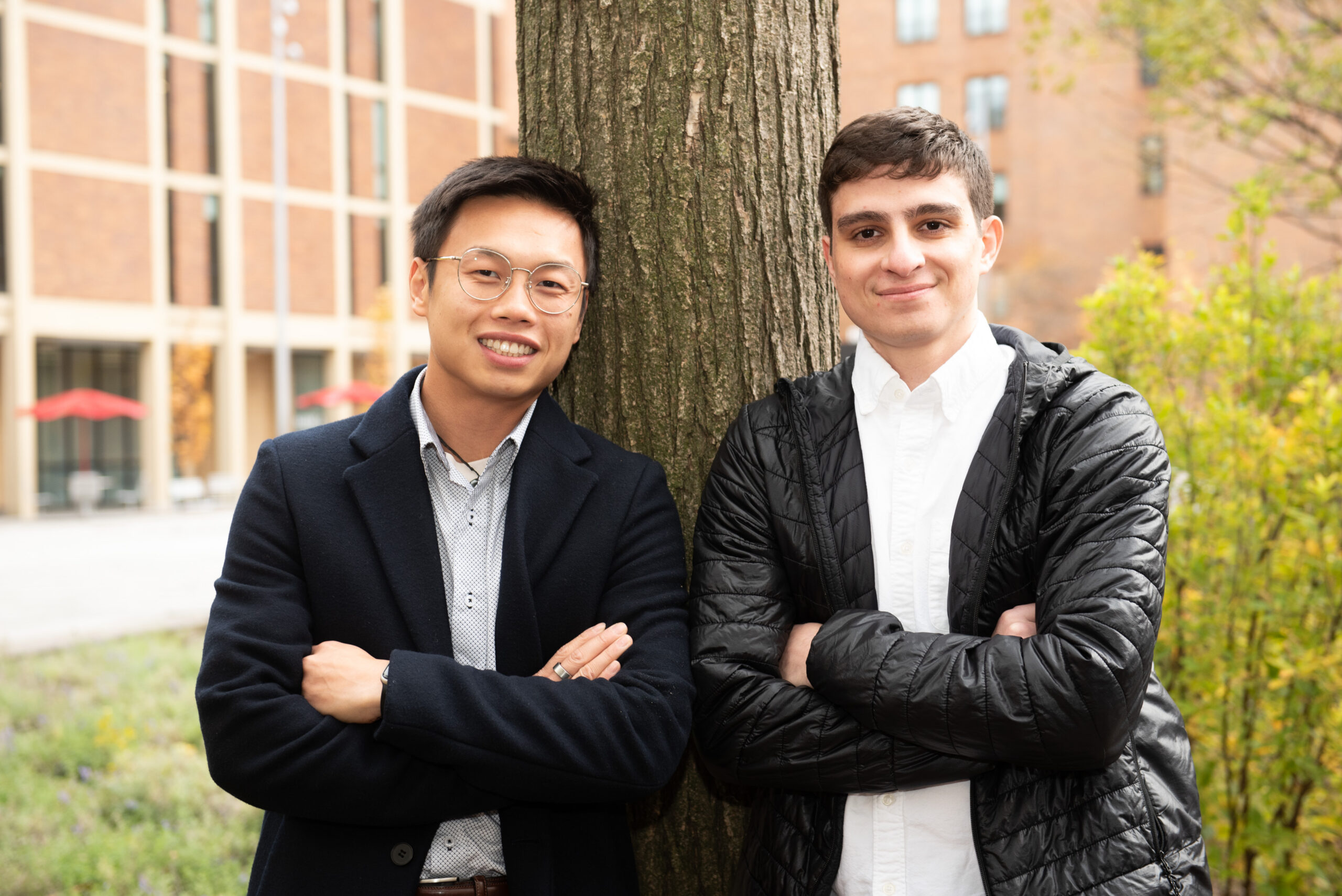
Every year, the Delaware Valley Environmental American Inn of Court (DVEAIC) offers membership to a few students from Philadelphia law schools. This year, two Temple Law students, Seth Israel (LAW ‘26) and Su Ly (LAW ‘26), have been selected as student members of the DVEAIC.  Founded in 1996, the DVEAIC was the first Inn of Court in the United States to specialize in environmental law. The organization has monthly meetings that include a social hour followed by a Continuing Legal Education session. For law students, these meetings are an invaluable opportunity to network with a variety of environmental attorneys—including lawyers from private practice, public interest organizations, government agencies, and academia.   “The range of the environmental law profession is massive at DVEAIC, so I’m looking forward to getting to know everyone,” said Su. “I’m particularly excited to meet with my mentor and discuss pathways to environmental law in Philly.”   Seth is similarly excited to meet DVEAIC’s members.  “There’s a diversity of practices represented among the Inn, and I’m curious to see how perspectives and approaches vary …

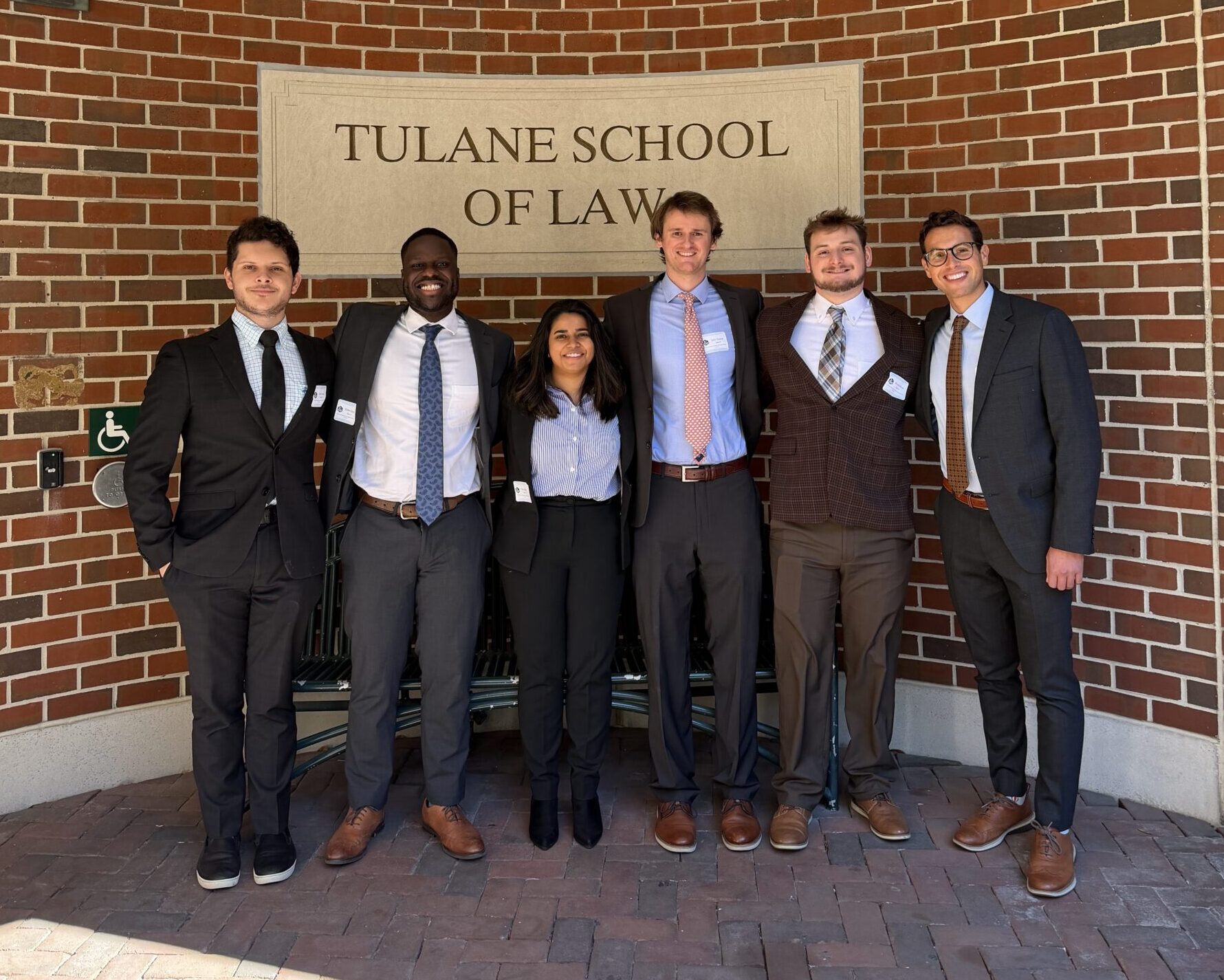
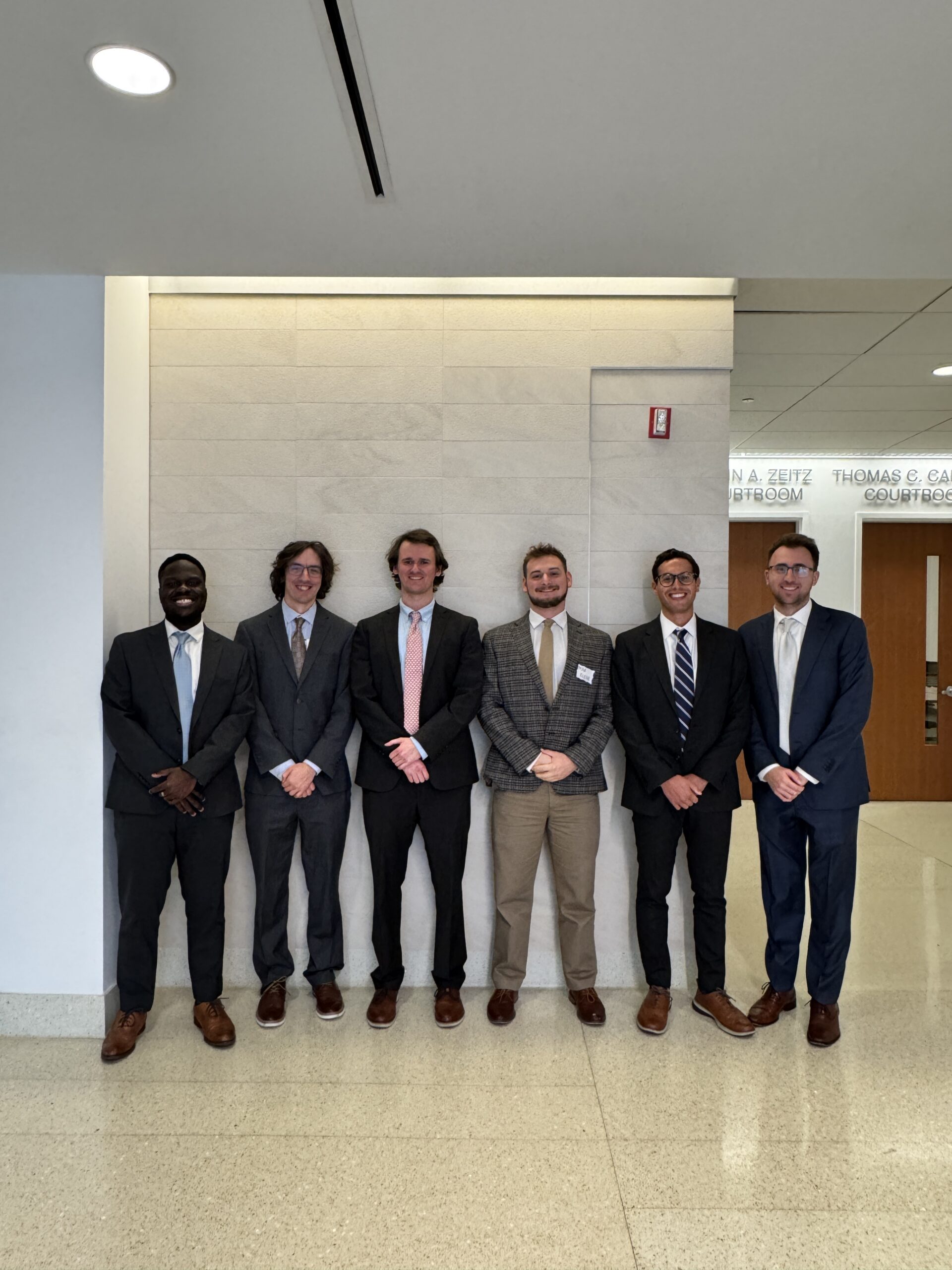
Picture of Temple Law students Jack Trismen, Max Klenk, Ben Kanfer, Rob Quaye, Ted Cahill, and Stephen Paccione at the 2025 Villanova Baseball Filing Day Competition

The Temple Sports Law Negotiation Team Reaches Quarter Finals at the Villanova Baseball Filing Day Competition

Temple Law’s Sports Law Negotiation Team recently sent two teams to the fourth annual Villanova Baseball Filing Day Competition. Both teams succeeded in advancing to the second day of the competition, finishing as quarter finalists. The Villanova Baseball Filing Day Competition is a simulated negotiation tournament in which law students have the opportunity to represent Major League Baseball teams and players in pre-arbitration contract negotiations. A player is eligible for arbitration when they have accrued between three and six years of major league service. They are still under contract with their club, however their salary is not fixed and they are able to negotiate a raise based on their performance on the field. The two sides have until MLB Filing Day to reach a one-year settlement or agree to a multi-year extension. If a deal cannot be reached, they proceed to arbitration. Arbitration is risky for both parties because a judge listens to their cases and chooses one of their proposed salaries–there is no in-between. Thus, both the player and their club are motivated to …

Harsh Anti-Immigration Policies in the U.S. Could Disrupt the 2026 FIFA World Cup

With the 2026 FIFA Men’s World Cup coming to eleven of the largest cities in the United States this summer, concerns have been rising about how the Trump administration’s immigration policies and enforcement are going to impact the global event.   This year, Immigration and Customs Enforcement (ICE) raids and Customs and Border Protection (CBP) intimidation have run rampant through cities across the U.S., targeting immigrant communities and Black and Brown populations.   A few notable instances of ICE and CBP intrusion that sparked concern occurred during the FIFA’s Club World Cup (CWC). The CWC, which was hosted in the U.S. this past summer, was intended to be a preview of what is to come with the 2026 World Cup. However, during a kickoff boat party hosted in Miami by Telemundo with FIFA officials and the Miami-Dade County Mayor, CBP boarded the boat to ask crew members about their immigration status. This surprise inspection caused an abrupt cancellation of the remaining events. Following this, ICE made a comment to local Miami news that all non-American citizens attending …

Aspiration: A Fraudulent Company or a Vehicle for the Clippers to Pay Kawhi Leonard Above the Cap?

Journalist Pablo Torre shocked the sports world when he released an episode of his podcast, Pablo Torre Reports, alleging that NBA star Kawhi Leonard took a deal with a third-party company for the purpose of circumventing the NBA salary cap. If this bewildering story is true, Los Angeles Clippers’ owner Steve Ballmer and the team committed a cardinal sin in the eyes of the league.   What do we know? Kawhi Leonard joined the Clippers in 2019 and is currently on a three-year deal for $152.4 million that was signed in January 2024. The issue here is an outside deal that Leonard signed in 2022.  As Torre reported on his podcast, Leonard signed a contract for an endorsement deal with Aspiration, a sustainability company. The deal was for four years and promised to pay $28 million to Leonard’s corporation, KL Aspire, LLC. Leonard’s corporation also signed a second contract with Aspiration for an additional $20 million in Aspiration stock. The first contract specifically mentioned that Leonard could “decline to proceed with any action desired by the …

Temple Law Faculty Panel’s Supreme Court Round-Up

Law students and faculty spilled into the corners and rear ledges of Klein Hall’s biggest classroom. The room quickly quieted after Dean Dunoff hushed the beyond-capacity crowd and kicked off the “Supreme Court Roundup.” The panel provided a snapshot of the Court at a moment where longstanding doctrine taught in Constitutional Law a semester ago—in the same, albeit less crowded classroom—teeters on the brink of obsolescence. Professors Purvis, Rangel-Medina and Heath each spoke about the changing landscape within their legal expertise: LGBT rights, immigration and administrative law, respectively.   “Certain Medical Uses”   Professor Purvis began with an overview of U.S. v. Skrmetti, a paradigm shift in equal protection doctrine. The case stemmed from Tennessee’s gender-affirming care ban, which restricted minors from seeking treatment to alter their birth genders.   Writing for the majority, Chief Justice Roberts upheld the limitation by worming his way through the statute, stating that the restriction was placed on minors—a permissive classification (think voting or alcohol)—and levied on only a subset of minors seeking treatment for “certain medical uses.” Because these “uses” are …

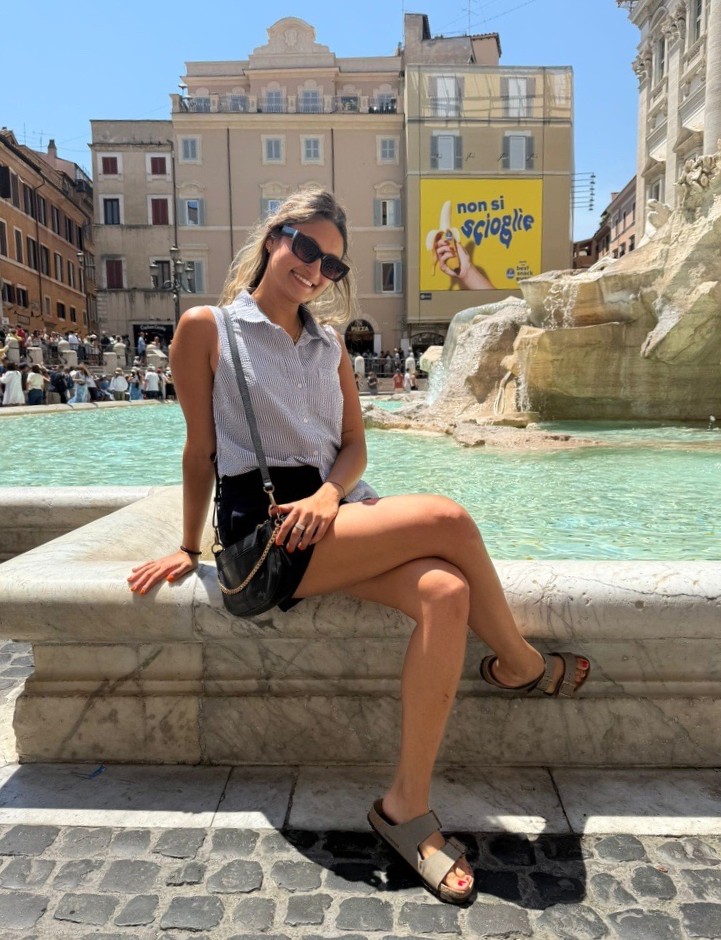
Picture of Atoosa Haghani in Rome Study Aboard Law Semester

From the Trevi Fountain to Trade Law: Finding My Future in Rome

When I began law school, I wasn’t entirely sure which area of the legal field I wanted to pursue. That changed the summer after my 1L year, when I was accepted into Temple Law’s Rome Program. There, I took three courses (earning 5 credits) and interned at a well-known international law firm. The combination of studying international law in the heart of Rome and working alongside practicing attorneys gave me both unforgettable experiences and a clear sense of direction for my career.   Living just twenty minutes from campus near Piazza di Spagna felt like the best kind of luck. Each morning, I passed Versace and Valentino on my way to class, and each evening I returned home to classmates who quickly became like family. I also grew close with law students from around the world, expanding my professional network in ways I couldn’t have imagined. Outside of school, I experienced the city the way it should be experienced—vintage shopping on Sundays at the Mercato, dancing with local artists in Trastevere, and even getting my own …

How Temple Rome Made Me a More Globally Aware Law Student

This summer, I had the opportunity to spend a month in Rome through Temple Law’s summer study abroad program. The experience was more than just a change of scenery—it was a deep dive into the global legal landscape, a chance to build connections across borders, and a powerful reminder of the importance of cultural context in law.   I took all three courses the program offered:  Global Legal Perspectives,  International Civil Litigation, and  Advising the Multinational Corporation on Global Legal Issues. Each class was taught by professors from Temple and enriched by guest speakers and immersive field trips. We weren’t just reading about international law; we were living in a country where centuries of legal evolution have shaped modern global frameworks. After class I often found myself doing my readings on the terrace of Temple’s cCampus with a perfect view of the Trinità dei Monti (the church that sits atop the Spanish Steps). Rome proved to be the perfect backdrop while learning about cross-border legal issues and the ever-growing importance of international cooperation.   The program broadened …

Your Bar of Chocolate or Your Cup of Coffee May Be Causing Problems Somewhere: Deforestation & International Law

On April 9, 2025, Professor Clement Kojo Akapame, a visiting scholar from the Ghana Institute of Management and Public Administration (GIMPA), presented a lecture titled “Your Bar of Chocolate or Your Cup of Coffee May Be Causing Problems Somewhere: Deforestation & International Law” to Temple Law students. Many students from GIMPA, as well as GIMPA’s Dean Kwaku Agyeman-Budu, also attended the lecture virtually by Zoom. The lecture, organized by Temple Law School’s International Legal Society, summarized the research that Professor Akapame has been conducting for nearly the past year, since his arrival on Temple’s campus in August 2024. Professor Akapame is a legal academic and thought leader who specializes in sustainability standards for the commercial trade of forest risk commodities, as well as forestry law and policy on environmental conservation. He is also a Partner at Taylore Crabbe Barristers and Solicitors, where he leads the firm’s Corporate Commercial and Consultancy practice team. During his lecture, Akapame identified issues of deforestation due to the exploitation of cocoa bean farmers by large companies in the chocolate industry, …