
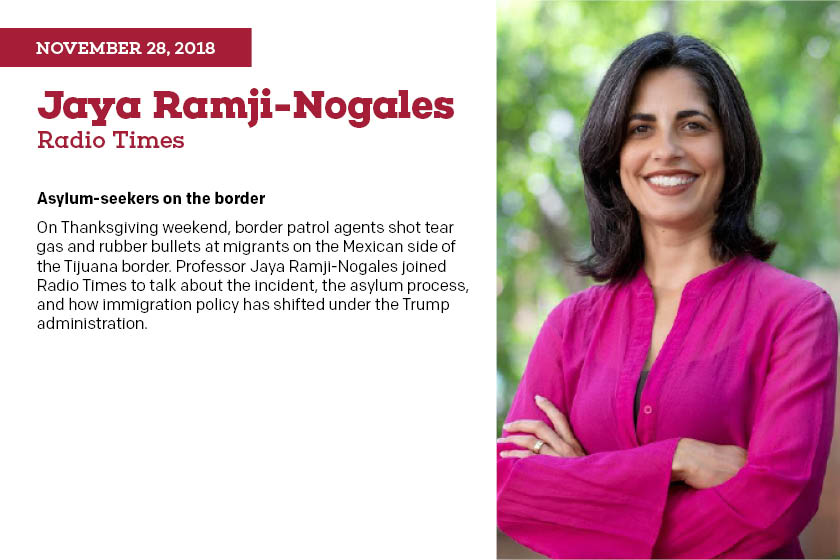
Asylum-Seekers on the Border
Professor Jaya Ramji-Nogales was a featured guest on Radio Times. Read the Transcript
Professor Jaya Ramji-Nogales was a featured guest on Radio Times. Read the Transcript
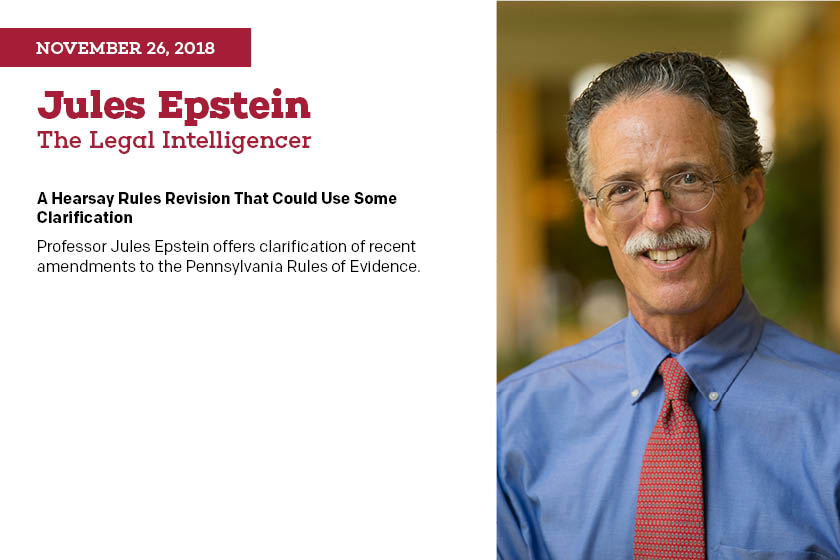
Professor Jules Epstein authored this article for The Legal Intelligencer. Read the Full Article

Professor Brishen Rogers is quoted in this article from The New York Times. Read the Full Article

Professor Duncan Hollis is quoted in this article from Technical.ly Philly. Read the Full Article
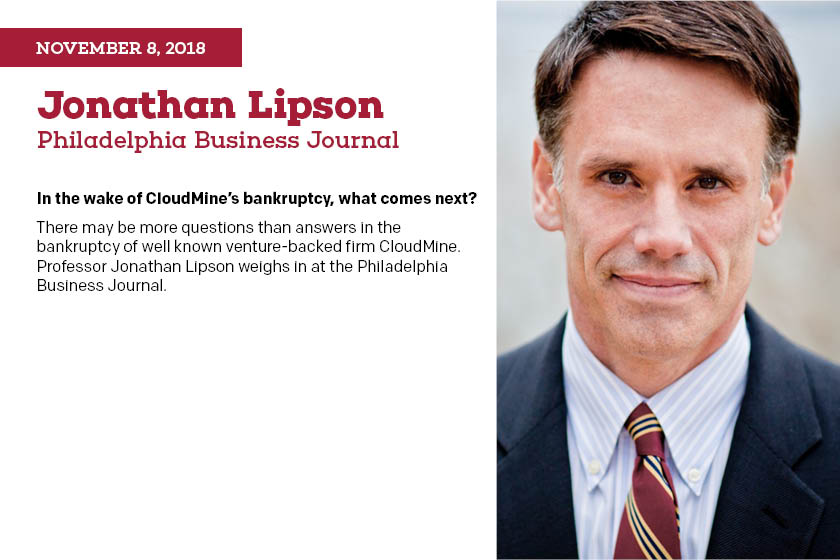
Professor Lipson is quoted in this article from Philadelphia Business Journal. Read the Full Article
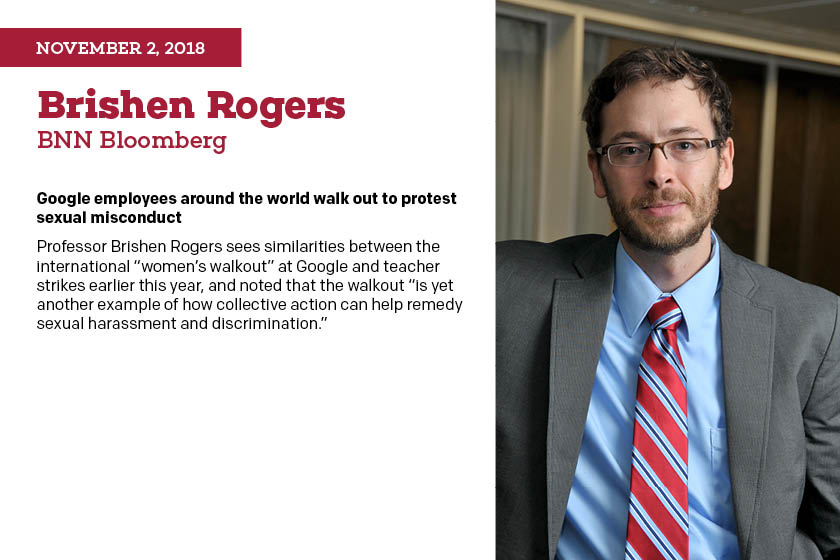
Professor Brishen Rogers is quoted in this article from BNN Bloomberg. Read the Full Article
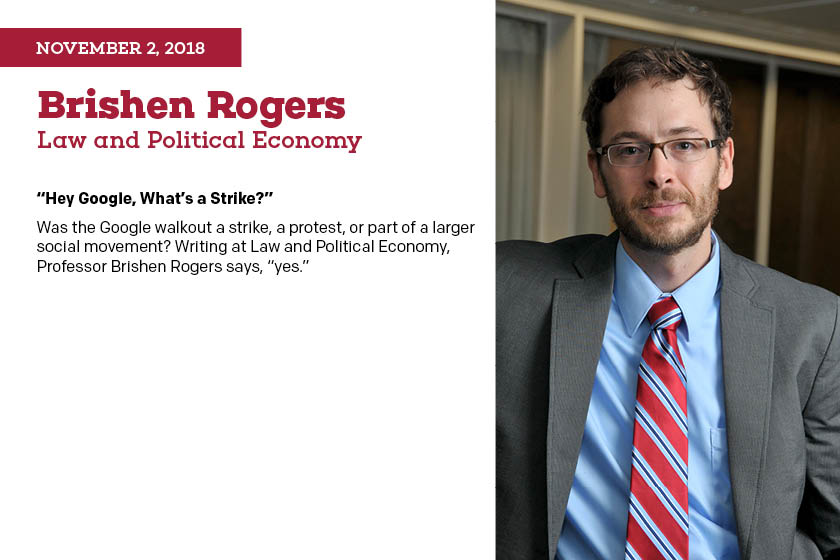
Professor Brishen Rogers authored this piece for Law and Political Economy. Read the Full Article
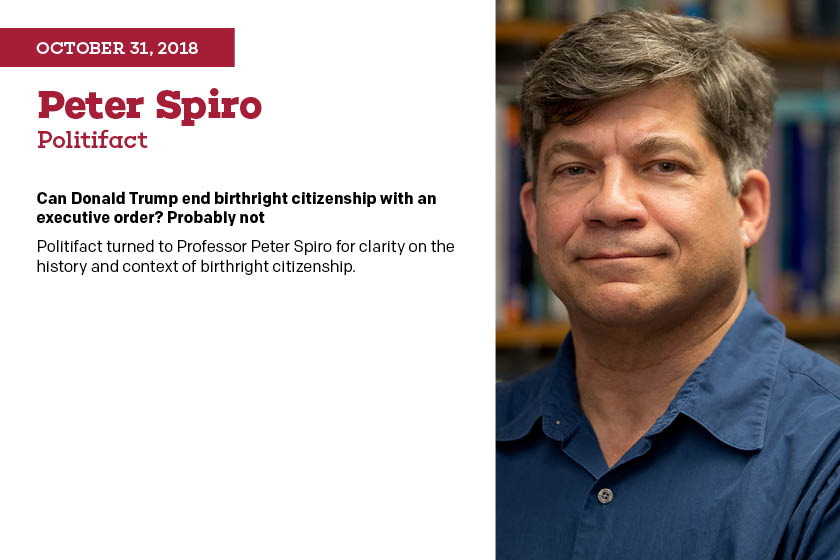
Professor Peter Spiro is quoted in this article from Politifact. Read the Full Article
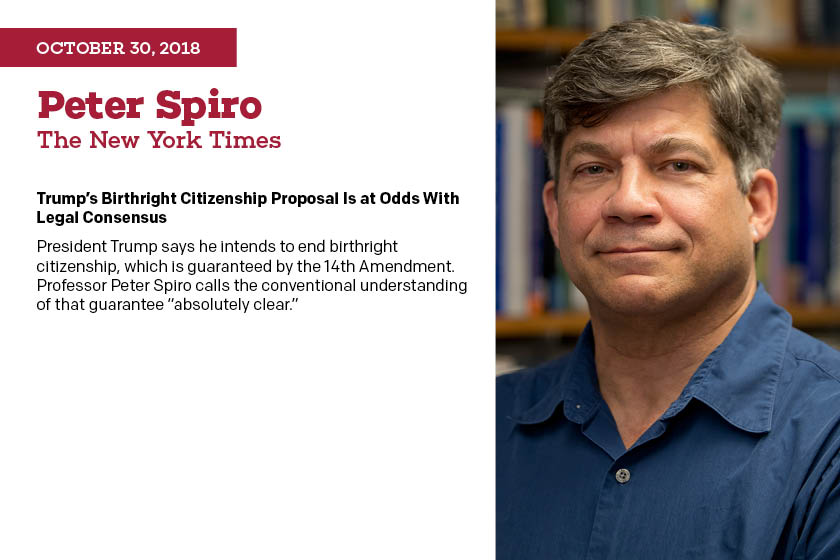
Professor Peter Spiro is quoted in this article from The New York Times. Read the Full Article

To kick off the start of application review season, our Assistant Director of Admissions breaks down the various application components to help potential law students apply as strategically as possible. Numerical Indicators One of the most common things on an applicant’s mind are the numerical indicators – the LSAT score and the UGPA. They can be intimidating factors for some applicants, or something to brag about for others. What’s important to remember is that the application process is about highlighting your strengths and putting your weaknesses into context. A strong application will do both. Taking the LSAT more than once isn’t bad – either is taking it only once. It all depends on the individual’s application, and no two applications look the same. Think about your LSAT score or scores – what story do they tell? If you’ve taken it only once, was that your ideal score? If you’ve taken it more than once, does it show a persistent effort to improve? Whatever your LSAT story is, make sure to frame it in a way …

Temple University Beasley School of Law
1719 North Broad Street
Philadelphia, PA 19122
(215) 204-7861
© 2026 Temple University Beasley School of Law.