Author: Jack Trismen (LAW ‘26)

The Temple Sports Law Negotiation Team Competes at the Tulane International Baseball Arbitration Competition

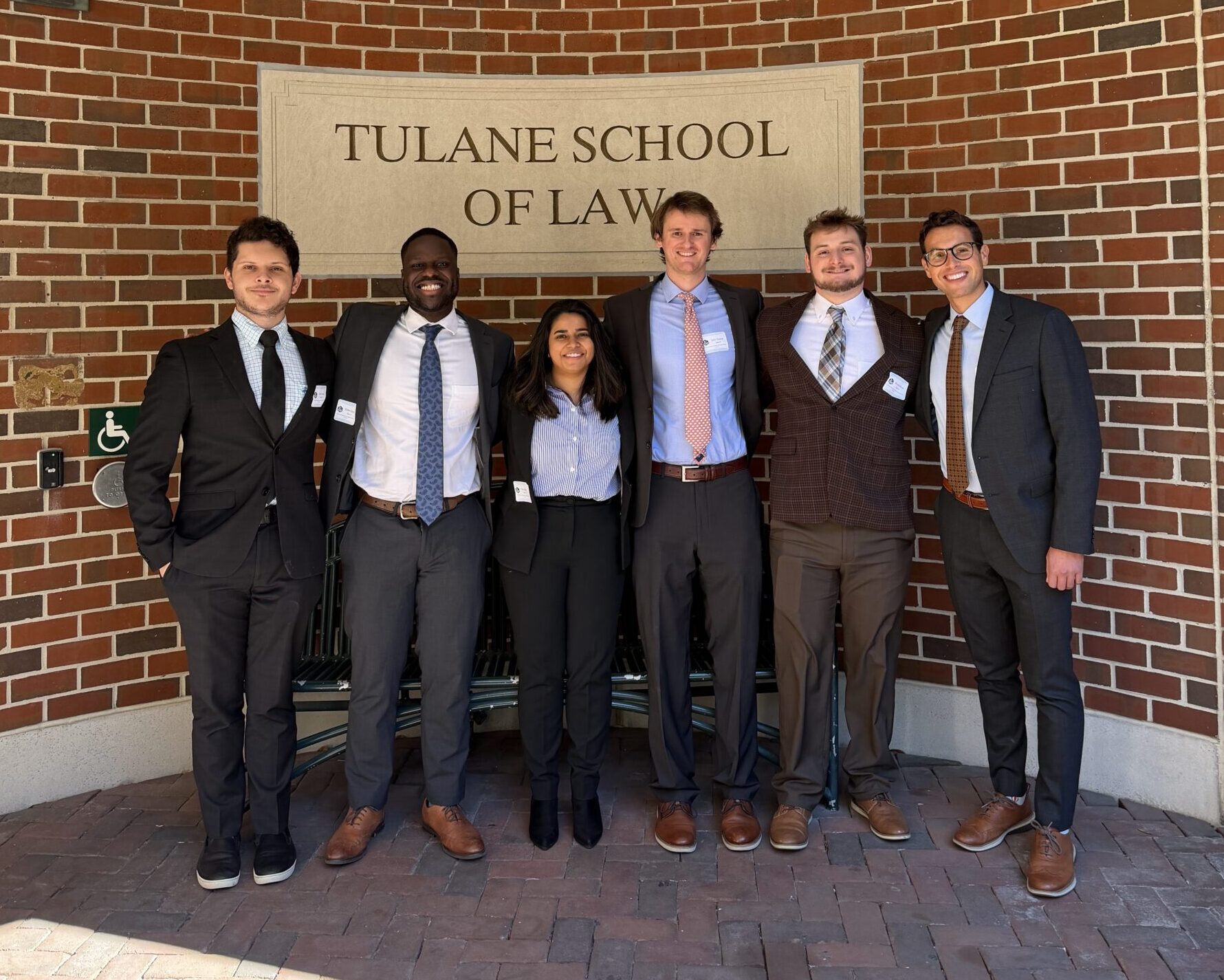
The Sports Law Negotiation Team returned to action last month at the Tulane International Baseball Arbitration Competition (“TIBAC”). If you read my prior article about the Villanova Baseball Filing Day Competition, you already know a little bit about baseball arbitration and the structure of the tournaments that the negotiation team competes in. Villanova’s competition simulated MLB Filing Day, the day by which arbitration-eligible players must reach an agreement with their club on a salary for the upcoming season, or opt to proceed to arbitration. TIBAC is a little bit different – it simulates the baseball arbitration process itself.  The MLB arbitration process begins with each side selecting a filing number, which is the salary they believe the player should be paid for the upcoming season. The parties then create presentations in support of that filing number and deliver them to an arbitrator. The arbitrator must select one of the two proposed salaries – the arbitrator cannot split the difference. In essence, the parties are really arguing that the player should earn above or below the …
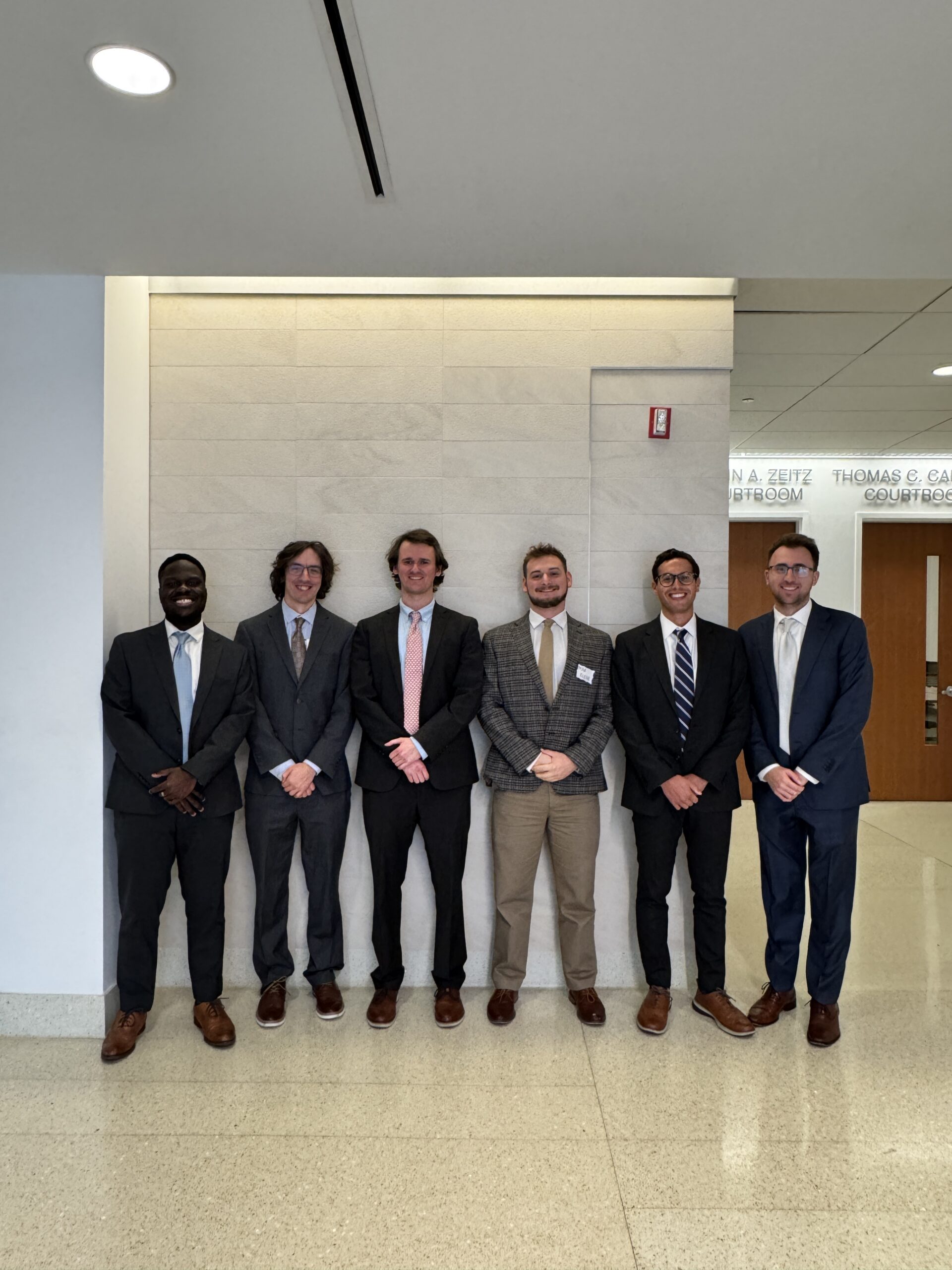
Picture of Temple Law students Jack Trismen, Max Klenk, Ben Kanfer, Rob Quaye, Ted Cahill, and Stephen Paccione at the 2025 Villanova Baseball Filing Day Competition

The Temple Sports Law Negotiation Team Reaches Quarter Finals at the Villanova Baseball Filing Day Competition

Temple Law’s Sports Law Negotiation Team recently sent two teams to the fourth annual Villanova Baseball Filing Day Competition. Both teams succeeded in advancing to the second day of the competition, finishing as quarter finalists. The Villanova Baseball Filing Day Competition is a simulated negotiation tournament in which law students have the opportunity to represent Major League Baseball teams and players in pre-arbitration contract negotiations. A player is eligible for arbitration when they have accrued between three and six years of major league service. They are still under contract with their club, however their salary is not fixed and they are able to negotiate a raise based on their performance on the field. The two sides have until MLB Filing Day to reach a one-year settlement or agree to a multi-year extension. If a deal cannot be reached, they proceed to arbitration. Arbitration is risky for both parties because a judge listens to their cases and chooses one of their proposed salaries–there is no in-between. Thus, both the player and their club are motivated to …